
Introduction
A well-functioning kitchen drain is crucial for the heart of any home, ensuring smooth cooking and cleaning experiences. However, maintaining clear kitchen drain lines can often be overlooked until a clog or blockage disrupts daily routines. Preventative maintenance and good habits can save homeowners time, money, and frustration. This guide provides practical tips and insights on how to maintain your kitchen drain lines, emphasizing the importance of regular inspections, mindful use, and professional assistance.
1. Be Mindful of What Goes Down the Drain
One of the simplest ways to maintain a clear kitchen drain line is to be cautious about what you dispose of in the sink. Avoid sending large pieces of food, grease, and fibrous materials like potato peels or coffee grounds down the garbage disposal. While disposals are designed to handle small amounts of food waste, overloading them can lead to clogs. Instead, scrape plates into the trash or compost bin and use a drain strainer to catch smaller debris.
2. Regularly Check the P-Trap
The P-trap, a curved section of pipe beneath the sink, plays a vital role in preventing odors and capturing debris. It’s important to inspect the P-trap every six months to ensure it isn’t clogged or deteriorating. To do this, place a bucket underneath the trap, unscrew the fittings, and clean out any accumulated debris. If the P-trap appears corroded or cracked, it’s time to replace it with a new one to avoid future issues.
3. Clean Your Drain with Household Solutions
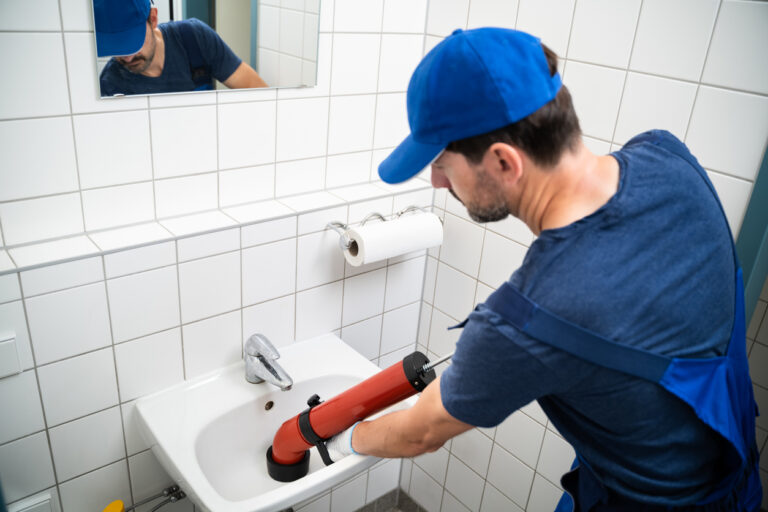
Routine cleaning helps prevent buildup in your drain line. A simple yet effective method involves pouring a mixture of baking soda and vinegar down the drain, followed by hot water. This combination helps dissolve grease and other residues that can accumulate over time. For tougher clogs, consider using a plunger or a hand auger to clear obstructions safely.
4. Utilize Tools Like Channel Locks
For more hands-on maintenance, tools like channel lock pliers can be invaluable. These tools help tighten or loosen fittings on pipes and can assist in disassembling the P-trap or other components of the drain system. Ensure you have the right tools on hand and learn how to use them safely to perform minor repairs and maintenance tasks effectively.
5. Schedule Annual Professional Maintenance
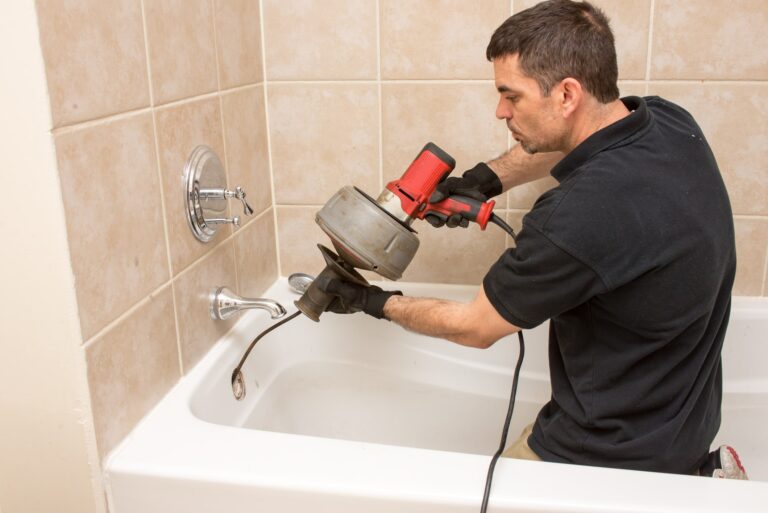
Even with diligent at-home care, it’s wise to schedule annual maintenance with a professional plumber. During these visits, ask the plumber to inspect your kitchen drain line and use a snake machine to clear any potential blockages. This proactive measure ensures that your pipes remain clear and functional, reducing the likelihood of major plumbing issues.
6. Assess the Age and Condition of Your Drain Components
Over time, components like P-traps and drain pipes can wear out or become less efficient. Regular inspections allow you to assess the age and condition of these parts. If you notice signs of rust, leaks, or wear, replace them promptly to avoid unexpected failures. Investing in high-quality, durable components can enhance the longevity of your kitchen drain system.
Conclusion
Maintaining a clear and functional kitchen drain line is essential for the overall health of your home’s plumbing system. By practicing mindful habits, conducting regular inspections, and enlisting professional help, you can avoid the headaches and costs associated with clogged or damaged pipes. Always remember to check the condition of your P-traps and replace them when necessary to ensure your kitchen drains operate efficiently for years to come. Proactive maintenance not only protects your plumbing but also provides peace of mind, keeping your kitchen running smoothly.