
Introduction
Maintaining a properly functioning bathroom tub drain and waste overflow system is essential for a clean and efficient bathroom. Over time, hair, soap scum, and other debris can accumulate, leading to clogs and potential water damage. Neglecting the waste overflow can exacerbate these issues, especially as pipes age and corrode. This guide provides practical steps to ensure your tub drain and waste overflow remain in optimal condition, helping you avoid unexpected plumbing issues and maintaining a smoothly functioning bathroom.
1. Use a Strainer to Catch Hair
Hair is one of the most common causes of clogs in bathroom tubs. Investing in a good-quality drain strainer is the first step in preventing blockages. These strainers catch hair and other debris before they can enter the drain system. Regularly clean the strainer to ensure it remains effective. By minimizing the amount of hair entering the pipes, you reduce the likelihood of buildup in the waste overflow as well.
2. Flush the Drain Regularly
To prevent soap scum and other residues from accumulating, flush your tub drain weekly with hot water. This helps dissolve minor buildup and keeps the pipes clear. For a deeper clean, pour a mixture of baking soda and vinegar down the drain, let it sit for 15-20 minutes, and then flush with hot water. This natural method is effective for maintaining cleanliness without damaging your plumbing.
3. Clean the Waste Overflow
The waste overflow is designed to prevent your tub from flooding, but it can also collect hair and debris over time. Remove the overflow plate and clean the interior using a bottle brush or a similar tool. Doing this every six months ensures the overflow remains functional and free from blockages. If the waste overflow shows signs of corrosion or wear, consider replacing it to maintain its efficiency.
4. Inspect the Pipes for Corrosion
Older pipes, particularly in the waste overflow system, are susceptible to corrosion. During routine maintenance, inspect the visible portions of your plumbing for rust or deterioration. If you notice any damage, contact a plumber to replace the affected sections before they fail completely. Proactively addressing these issues can prevent costly water damage and leaks.
5. Use Tools for Minor Clogs
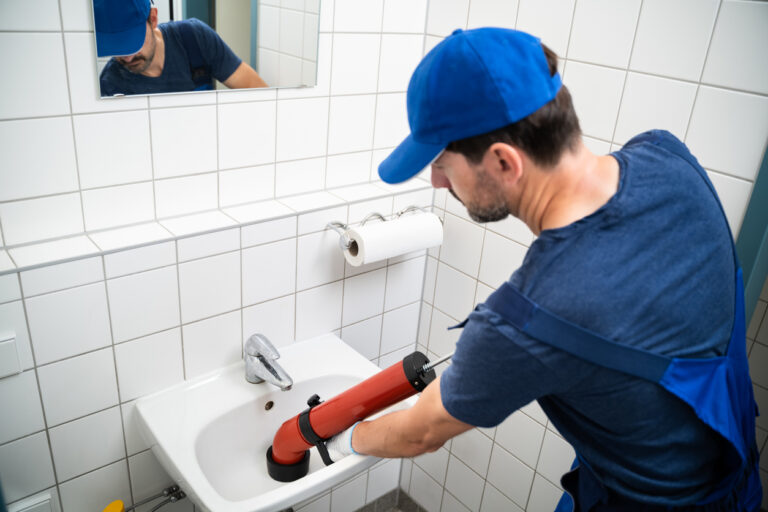
For minor clogs, tools like a plunger or a drain snake can be invaluable. A plunger can dislodge blockages near the surface, while a drain snake can reach deeper into the pipes to remove hair and other debris. Avoid using chemical drain cleaners frequently, as they can corrode your pipes and harm the environment. Instead, opt for mechanical solutions or natural cleaning methods.
6. Schedule Annual Professional Maintenance
Even with diligent at-home care, scheduling an annual inspection and maintenance with a professional plumber is essential. Ask your plumber to inspect the tub drain and waste overflow and use specialized tools, such as a snake machine, to clear any hidden blockages. Regular professional maintenance ensures that your plumbing system remains efficient and reliable.
Conclusion
Maintaining a clean and functional bathroom tub drain and waste overflow is crucial for a hassle-free bathroom experience. By using a hair strainer, performing routine cleanings, inspecting for corrosion, and addressing minor clogs promptly, you can extend the life of your plumbing system. Regularly cleaning the waste overflow and scheduling annual professional maintenance further ensure your tub remains in top condition. Taking these steps not only protects your home from water damage but also provides peace of mind, knowing your bathroom plumbing is well-maintained.