
Introduction
A properly functioning bathroom sink drain is essential for maintaining hygiene and convenience in one of the most frequently used areas of the home. However, over time, bathroom sinks can accumulate hair, soap scum, and other debris that lead to clogs and slow drainage. By adopting regular maintenance habits and implementing preventive measures, you can ensure your bathroom sink remains clear and efficient. This guide outlines effective methods to maintain a clean and clog-free bathroom sink drain.
1. Avoid Washing Problematic Items Down the Sink
Being mindful of what goes down your bathroom sink is the first step in maintaining a clear drain. Hair is a common culprit of clogs, so consider using a drain cover or strainer to catch loose strands while washing or shaving. Avoid rinsing off excessive toothpaste, soap scum, or greasy skincare products into the sink, as these substances can accumulate over time and restrict water flow.
2. Perform Routine Cleaning
Regularly cleaning your bathroom sink can prevent minor issues from escalating into major clogs. Flush the drain weekly with hot water to dissolve minor buildup. For a deeper clean, pour a mixture of baking soda followed by white vinegar into the drain. Let it sit for 15-20 minutes before flushing it with hot water. This natural cleaning solution is effective for breaking down soap scum and other residues.
3. Inspect and Clean the Stopper
The sink stopper is another area prone to debris accumulation. Periodically remove the stopper and clean it thoroughly to prevent blockages. Hair and soap residue often get trapped around the stopper mechanism, restricting water flow. Cleaning this component every few months will keep the drain running smoothly.
4. Use Proper Tools for Minor Clogs
When minor clogs occur, tools such as a plunger or a drain snake can be highly effective. A small plunger designed for sinks can dislodge blockages, while a drain snake can retrieve hair and other debris lodged deeper in the pipes. Avoid using chemical drain cleaners frequently, as they can damage your plumbing over time.
5. Check the P-Trap Regularly
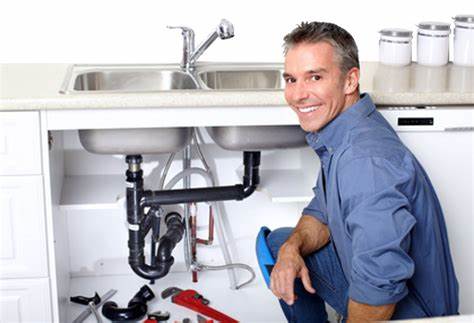
The P-trap beneath the sink is designed to prevent sewer gases from entering your home, but it can also collect debris over time. Every six months, disassemble the P-trap and clean it to remove any buildup. Place a bucket underneath to catch water and debris during the process. If you notice signs of wear or corrosion, replace the P-trap promptly to maintain optimal drainage.
6. Schedule Annual Professional Maintenance
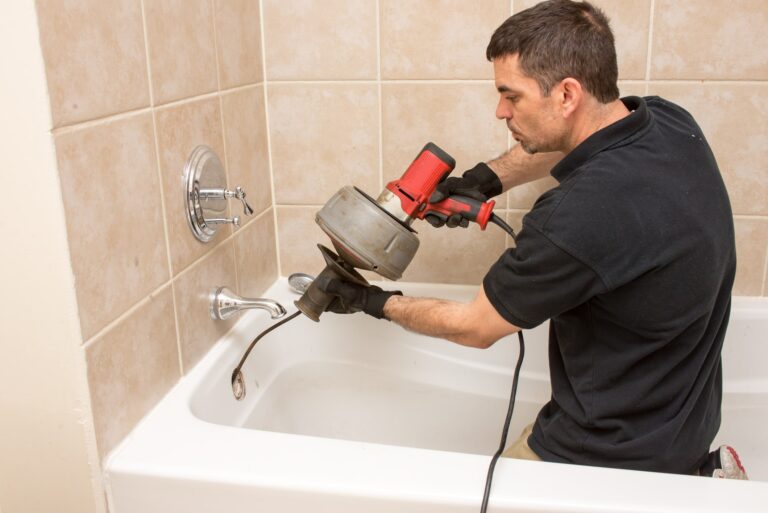
Even with consistent at-home maintenance, an annual inspection by a professional plumber is a wise investment. Plumbers can use specialized tools like a snake machine to thoroughly clean your bathroom sink drain and address any hidden issues. This proactive step ensures your plumbing system stays in excellent condition and prevents unexpected problems.
Conclusion
Keeping your bathroom sink drain clear and functional is vital for maintaining a clean and efficient bathroom environment. By practicing good habits, such as preventing hair and soap scum from entering the drain, conducting regular cleanings, and inspecting the P-trap, you can significantly reduce the risk of clogs. Additionally, enlisting professional assistance annually ensures long-term reliability of your plumbing system. Prioritizing these maintenance practices not only protects your home but also provides peace of mind and convenience for your daily routines.