
Introduction
Laundry lines are a vital component of any home’s plumbing system, responsible for efficiently carrying wastewater from washing machines to the main sewer line. Over time, these lines can become clogged or damaged, leading to backups, unpleasant odors, and costly repairs. Regular maintenance and professional inspections by a plumber are essential to ensure the laundry line remains clear and in good condition. This guide highlights key maintenance tips and explains how plumbers can assist in keeping your laundry line functioning optimally.
Laundry Line Maintenance Tips
Clear the Line with a Plumber’s Snake
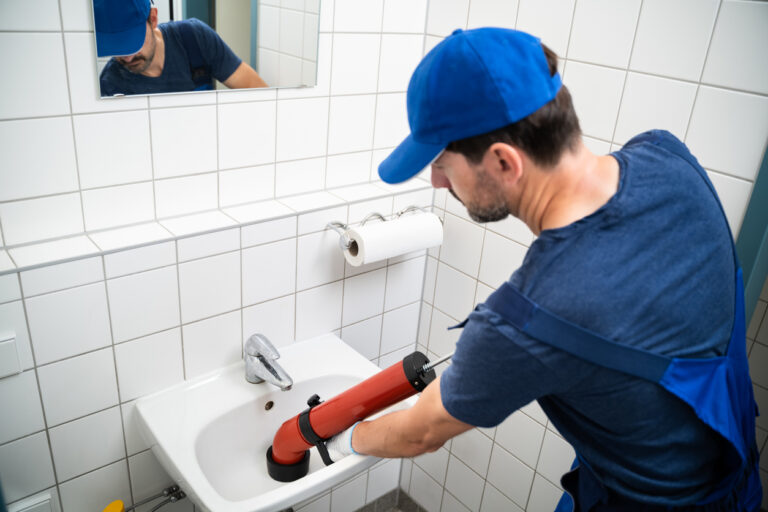
Over time, debris like lint, detergent residue, and hair can accumulate in the laundry line, leading to slow drainage or blockages. A plumber’s snake is an effective tool to clear these clogs. Homeowners can use a manual snake for minor clogs, but professional plumbers have motorized snakes that can handle severe blockages and thoroughly clean the pipe.Inspect the Underground Pipes Regularly
Laundry lines often run underground, making them susceptible to root intrusion, corrosion, or cracks. Periodic inspections by a plumber using advanced tools like video cameras can assess the pipe’s condition. This ensures any underlying issues, such as pipe misalignment or structural damage, are detected early before they become significant problems.Check the Pipe’s Interior and Diameter
Over time, buildup from detergents, minerals, and grease can reduce the pipe’s diameter, slowing water flow and increasing the risk of clogs. Plumbers can use specialized cleaning tools to remove buildup and restore the pipe’s full diameter, ensuring efficient water drainage.Use Lint Traps on Washing Machines
Installing a lint trap on your washing machine’s drain hose is a proactive measure to reduce debris entering the laundry line. Lint traps catch fibers and other particles before they can cause clogs, extending the lifespan of your plumbing.Flush the Line with Hot Water or Enzyme Cleaners
Regularly flushing the laundry line with hot water or a plumber-recommended enzyme cleaner can break down residue and prevent buildup. Avoid using harsh chemicals, as they can damage the pipes over time.Schedule Routine Professional Maintenance
A plumber can provide comprehensive maintenance services, including snaking the line, inspecting underground pipes, and performing necessary repairs. Regular maintenance appointments help ensure the longevity and functionality of your laundry line.
Why Maintenance Matters
Maintaining your laundry line is essential to prevent clogs, backups, and potential water damage to your home. Proactive care reduces the risk of costly repairs and ensures that wastewater flows efficiently through your plumbing system. By incorporating professional inspections and routine maintenance, you can identify and address potential issues early, saving time and money in the long run.
Conclusion
Laundry line maintenance is a crucial aspect of home plumbing care. Regularly clearing clogs with a plumber’s snake, inspecting underground pipes, and monitoring the pipe’s condition and diameter are essential steps to keep the system running smoothly. Investing in professional plumbing services for routine maintenance and inspections can help homeowners avoid disruptions and costly repairs. With these practices, your laundry line will remain reliable and efficient for years to come.